ABS continues to be a key material for precision injection molding, offering a balanced combination of strength, toughness, and processability. It is well-suited for producing high-quality components across automotive, electronics, and consumer applications.
In injection molding, ABS is heated to a molten state and injected into a precision mold under high pressure. After cooling and solidification, the material forms durable plastic parts that accurately replicate the mold design. ABS flows efficiently during the molding process, enabling the production of complex geometries with consistent dimensional accuracy and high-quality surface finishes.
ABS is well suited for both prototyping and full-scale production, delivering stable performance across a wide range of applications.
Finishing Options for ABS Injection Molding
ABS offers excellent surface compatibility, making it suitable for a wide range of finishing options to enhance appearance, functionality, and branding.
As Molded
Provides a clean and functional surface directly from the mold, suitable for standard applications where cosmetic requirements are minimal.
SPI Finished
Delivers controlled surface textures and finishes defined by SPI standards, ideal for achieving consistent appearance and quality in injection-molded ABS parts.
Polishing
Enhances surface smoothness and visual clarity, commonly used for cosmetic components or parts requiring a refined finish.
Glossy & Matte Finishes
Offers flexible appearance options ranging from high-gloss to matte surfaces, improving aesthetics while maintaining dimensional accuracy.
Painting
Allows for custom colors and improved surface protection, widely applied to ABS parts used in consumer, automotive, and electronic products.
Silk Screening
Enables high-quality graphics, symbols, and text to be applied to flat or slightly curved ABS surfaces for branding and functional markings.
Pad Printing
Ideal for adding logos and markings to complex or curved surfaces, ensuring clear and durable print quality on ABS parts.
Laser Engraving
Creates permanent, precise markings without additional inks or coatings, suitable for part identification, logos, and traceability.
Pros & Cons of ABS Injection Molding
ABS injection molding offers a balance of performance and versatility. The following highlights its main advantages and limitations to help you determine its fit for your project.
Pros
Good Impact Resistance: ABS offers strong toughness, making parts durable under mechanical stress.
Dimensional Stability: Maintains shape and size, supporting precise and repeatable parts.
Excellent Processability: Flows well in injection molding, allowing complex geometries and thin walls.
Surface Finish Versatility: Compatible with a wide range of finishes, including painting, polishing, and printing.
Cost-Effective: Economical choice for both prototyping and mass production.
Compatible with Precision Tooling: Works well with tight tolerances and repeatable molding cycles.
Cons
Limited Heat Resistance: ABS can deform at elevated temperatures; not ideal for high-heat applications.
Moderate Chemical Resistance: May be affected by strong acids, bases, or solvents.
Surface Sensitivity: Some finishing methods require careful handling to avoid scratches or defects.
Flammability Considerations: Standard ABS is flammable; flame-retardant grades may be needed for certain applications.
Applications of ABS Injection Molding
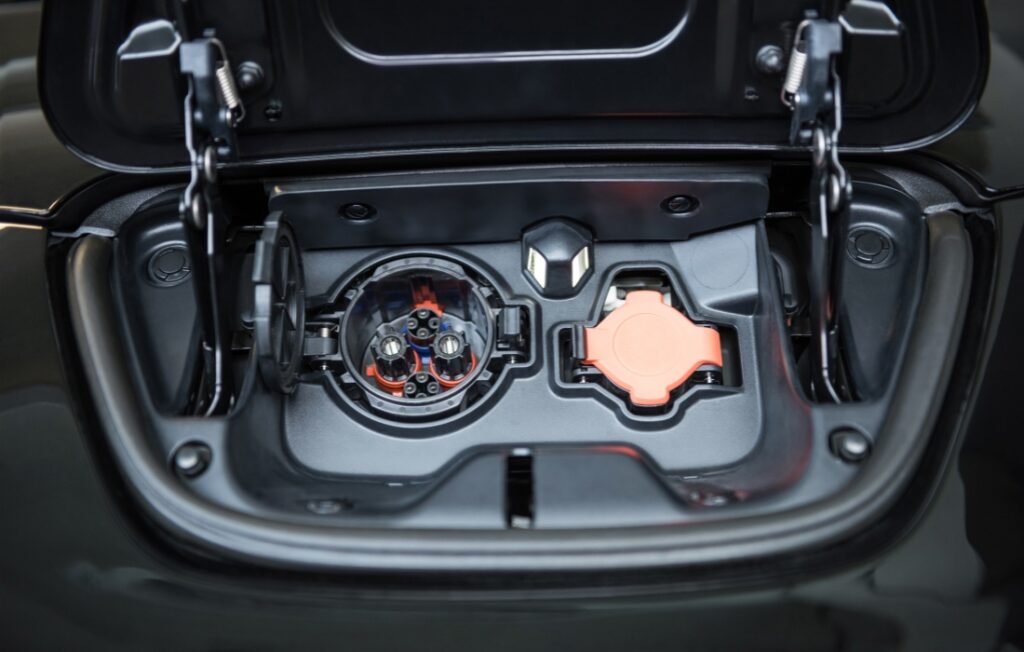
ABS is widely used in industries that demand durable, precise, and visually appealing plastic components. Common applications include: