
Polyamide Injection Molding Services
Polyamide (PA), commonly known as Nylon, is widely used in precision injection molding for its excellent impact strength, wear resistance, and low-friction properties. It is ideal for producing durable, load-bearing components in automotive, industrial, and mechanical applications.
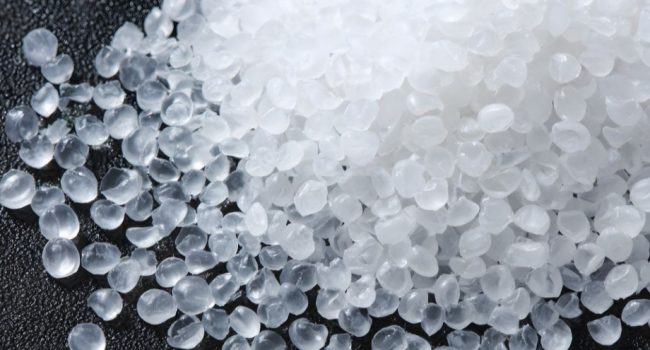
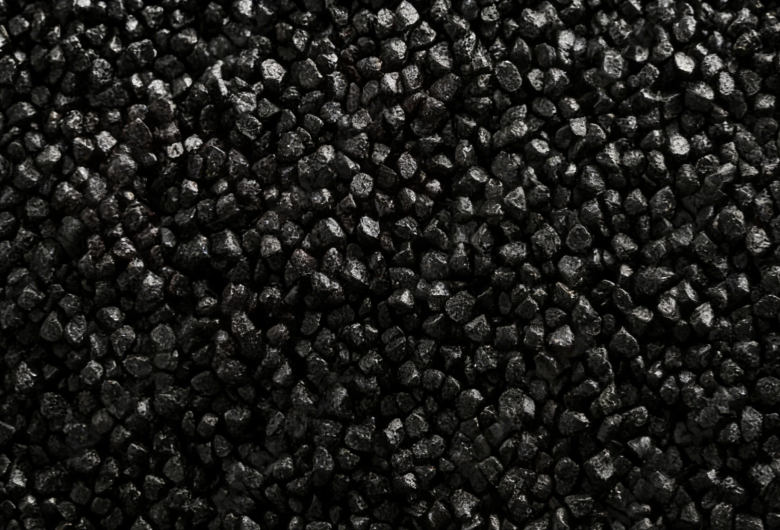
About PA Injection Molding
In PA injection molding, polyamide pellets are first properly dried to control moisture content, then heated to a molten state and injected into a precision mold under high pressure. After cooling and solidification, the material forms strong, wear-resistant components with excellent mechanical performance.
PA flows well during molding, enabling complex geometries and functional features. It is widely used for both prototyping and high-volume production of durable, load-bearing parts.
Finishing Options for PA Injection Molding
PA injection molded parts can support various surface finishes depending on material grade and application requirements.
As-molded PA parts retain the natural surface texture formed during injection molding. This finish is cost-effective and suitable for functional components where mechanical performance is prioritized over decorative appearance.
SPI surface finishes can be applied to PA molds to achieve controlled texture levels, from light polish to fine matte surfaces. The final appearance depends on the specific PA grade, especially whether it contains glass fiber reinforcement.
Matte finishes are widely used for PA components, providing a uniform, low-gloss surface that enhances scratch resistance and reduces visible surface imperfections in industrial and automotive applications.
Laser engraving is compatible with many PA grades and enables permanent part marking, including logos, serial numbers, and traceability codes, without affecting structural integrity or mechanical performance.
Pros & Cons of Polymide Injection Molding
Polyamide (PA), commonly known as nylon, is widely used in engineering applications requiring strength, durability, and wear resistance. Below is a balanced overview of its key advantages and limitations to help evaluate its suitability for demanding industrial projects.
Pros
- High Mechanical Strength: PA offers excellent tensile strength and load-bearing capacity, making it suitable for structural and mechanical components.
- Outstanding Wear Resistance: Its natural abrasion resistance makes it ideal for gears, bushings, bearings, and moving parts subjected to friction.
- Good Heat Resistance: Compared to many standard thermoplastics, polyamide performs well at elevated temperatures, especially reinforced grades.
- Strong Chemical Resistance: Resistant to oils, fuels, greases, and many industrial chemicals, supporting use in automotive and mechanical environments.
- Lightweight Alternative to Metal: Provides high strength-to-weight ratio, allowing replacement of certain metal components to reduce overall product weight.
- Excellent Fatigue Resistance: Maintains performance under repeated stress cycles, making it reliable for dynamic applications.
Cons
- Moisture Absorption: PA is hygroscopic and absorbs moisture from the environment, which can affect dimensional stability and mechanical properties.
- Dimensional Variation Risk: Because of water absorption and thermal expansion, tight-tolerance applications require careful material selection and mold design.
- Higher Processing Requirements: Proper drying before molding is critical, and processing parameters must be controlled to prevent defects.
- Potential Warpage: Shrinkage rates can vary depending on fiber reinforcement and part geometry, increasing tooling complexity.
- Cost Compared to Commodity Plastics: Typically more expensive than materials like PP or PE, especially for glass-filled or specialty grades.
Applications of PA Injection Molding
Polyamide (PA) is extensively used in industries that require high strength, wear resistance, and reliable performance under load. Common applications include:
Gears, bushings, clips, and under-the-hood housings benefit from PA’s strength, heat resistance, and low friction.
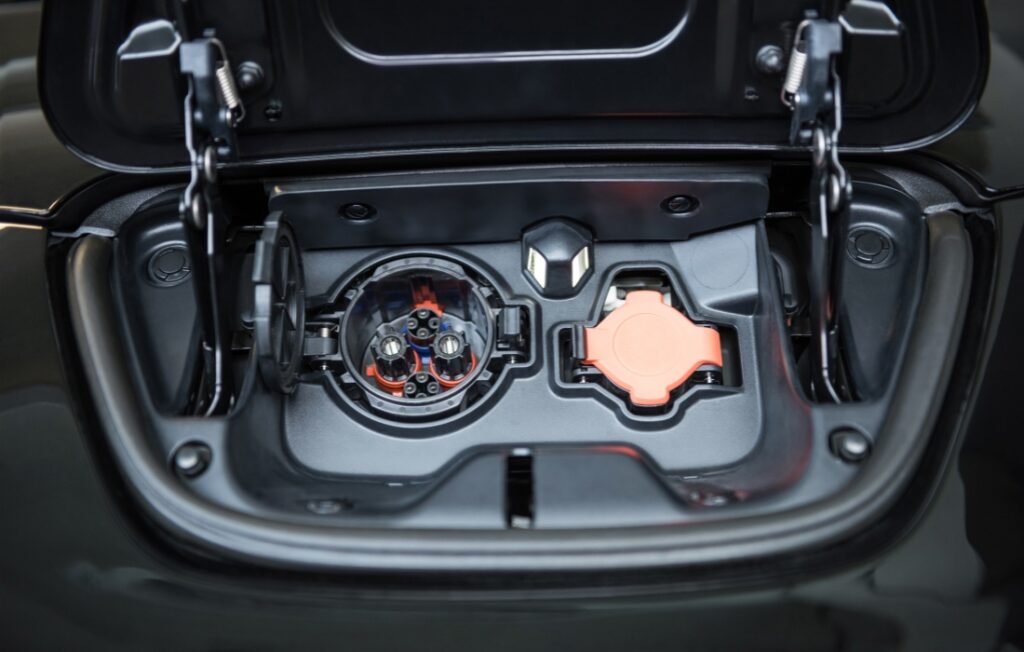
PA is used for connectors, cable guides, switch components, and mechanical parts in electronic devices.

Syringe plungers, diagnostic housings, and reusable tool components.
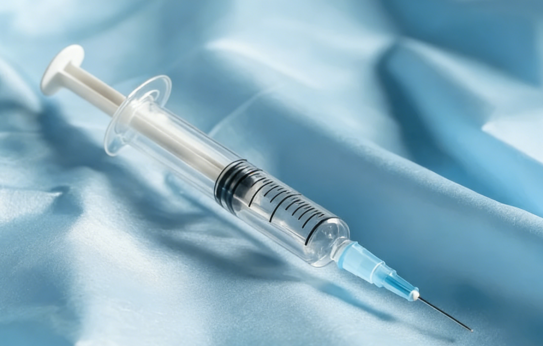
Bearings, rollers, fasteners, and machinery components leverage PA’s abrasion resistance, chemical tolerance, & fatigue strength.
1th Floor, Building C, Hengshunyuan Industrial Park,No. 6, Louyi Road, Loucun Community, Xinhua Street, Guangming District, Shenzhen City, Guangdong Province, China