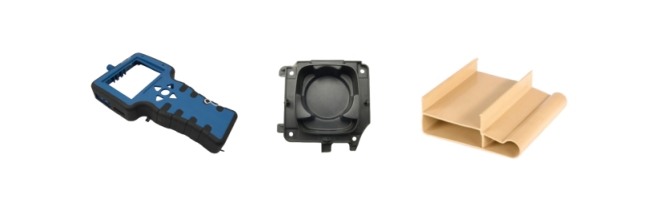
Advanced overmolding solutions combining engineering expertise and diverse material pairing strategies for prototyping and production parts.
Versatile Material Pairing
Plastic over plastic, rubber over plastic, plastic over metal, and rubber over metal—optimized combinations for durable, high-performance components.
Sustainable Manufacturing
Energy-efficient machinery reduces carbon footprint by up to 20%, supporting environmentally responsible production without compromising quality.
Engineering Expertise
Decades of overmolding experience ensure precise material integration, tight tolerances, and consistent results across prototyping and high-volume production.
100K+
Parts / Month
30+
Injection Machines
100–800 Ton
Press Range
Material Options for Overmolding
At Livepoint, we support a wide range of engineering and commodity plastics to meet diverse application requirements across industries.
ABS
ABS provides excellent impact resistance and dimensional stability, ideal for overmolding with soft TPU or TPE for ergonomic and durable components.
PA (Nylon)
Nylon offers high strength and chemical resistance, perfect for overmolding with rubber or soft plastics in functional, load-bearing parts.
PC
Polycarbonate delivers superior toughness and clarity, suitable for overmolding with flexible materials for protective covers and transparent assemblies.
PMMA
PMMA combines rigidity and optical clarity, ideal for overmolding applications requiring aesthetic finishes with soft-touch overlays.
POM
Acetal (POM) ensures low friction and wear resistance, making it suitable for overmolding in precision mechanical parts and sliding assemblies.
PE
Polyethylene is lightweight and chemically resistant, allowing overmolding with elastomers for flexible, low-cost, and durable products.
PP
Polypropylene provides excellent fatigue resistance and chemical stability, ideal for overmolding with soft plastics or rubbers in consumer and industrial parts.
Our Application of Overmolding
Automotive Overmolding
Our automotive overmolding solutions enhance component performance, combining rigid plastics with durable elastomers for ergonomic grips, gaskets, seals, and functional parts that meet stringent industry standards.
Precision overmolding for medical devices ensures biocompatible, reliable, and easy-to-clean components, integrating soft-touch and rigid materials for ergonomic and functional instrument parts.
We provide overmolding for electronic devices, creating durable housings, buttons, and connectors by combining rigid plastics with flexible, shock-absorbing materials for long-lasting performance.
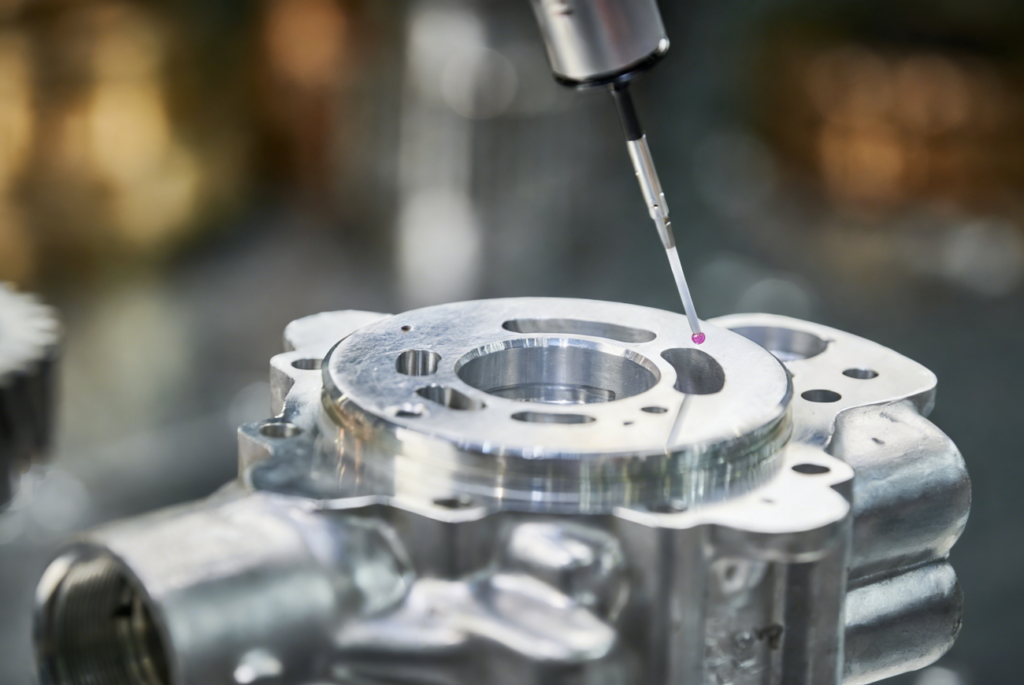
With over 30 quality control instruments and a highly experienced team, we implement a rigorous quality management system. Full-dimension CMM inspections ensure that every overmolded part, from prototype to mass production, consistently meets international standards and your precise specifications.
Overmolding is a manufacturing process where one material, usually a soft or flexible polymer, is molded over a rigid substrate, creating a single part with multiple material properties.
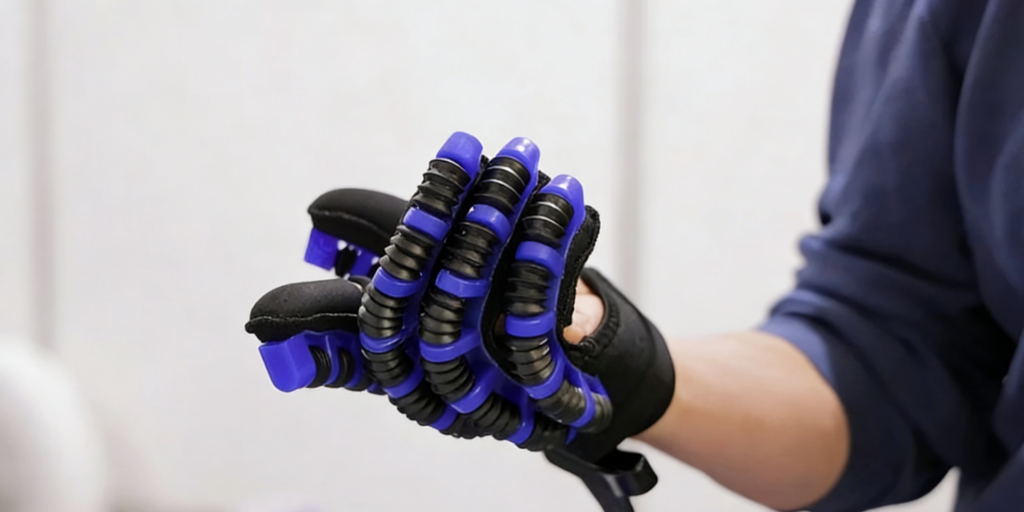
Overmolding enhances part functionality and ergonomics, providing soft-touch surfaces, improved sealing, and durable multi-material components for automotive, medical, and electronics applications.
Overmolding combines two or more polymers, while insert molding embeds metal or other pre-formed components into plastic, providing mechanical strength or electrical conductivity.
Common overmolding materials include ABS, PC, PA (Nylon), PMMA, POM, PE, PP, TPU, and TPE, chosen based on application requirements, durability, and compatibility between substrate and overlay.