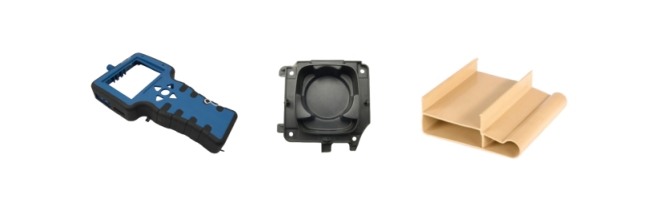
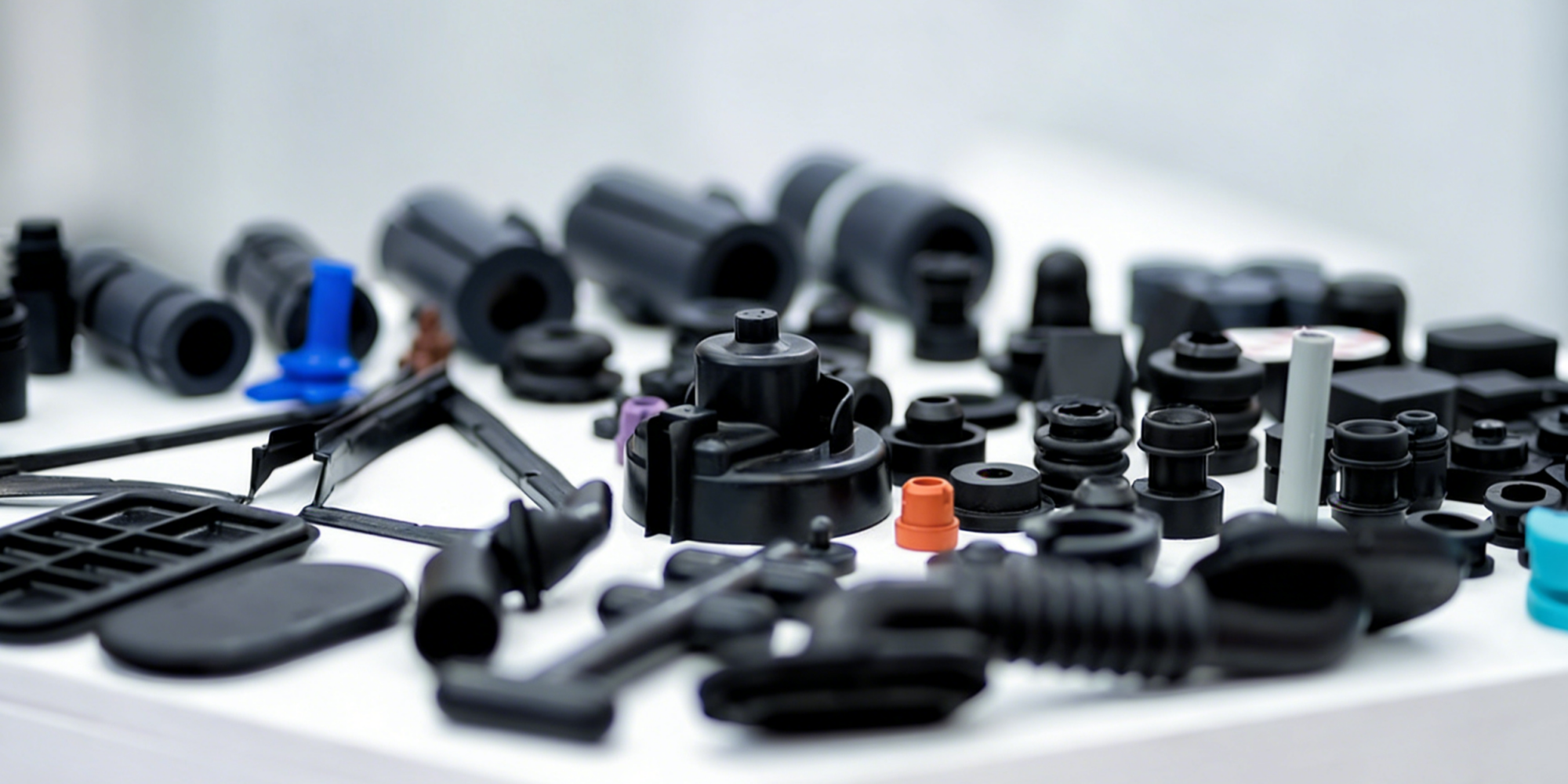
Livepoint specializes in precision rubber and liquid silicone rubber (LSR) injection molding. From complex medical device components to high-performance sealing products, we deliver consistent, reliable parts that meet exacting industrial standards.
Livepoint, a reliable rubber injection molding manufacturer, offers precision tooling, high-quality parts, fast turnaround, and full support from design to mass production.
Supports LSR & Rubber
We support both liquid silicone rubber and traditional rubber injection molding, offering versatile solutions for medical, automotive, electronics, and consumer components.
Expert Guidance
Our team provides DFM insights, material selection advice, and process optimization to enhance part performance, improve manufacturability, and reduce production risks.
Flexible & Scalable Manufacturing
Whether you need 50 prototypes or 500,000 production parts, we deliver scalable, on-time solutions with consistent quality and cost efficiency.
100K+
Parts / Month
30+
Injection Machines
100–800 Ton
Press Range
The Process of Rubber Injection Molding
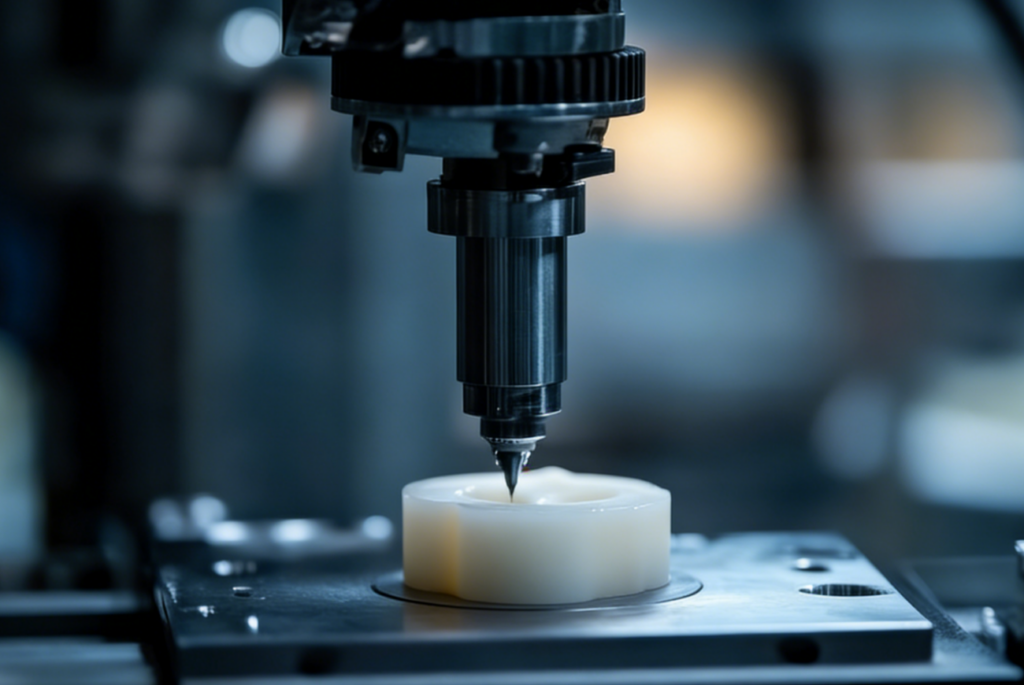
The rubber injection molding process begins with mold design and tooling, followed by precise injection of rubber or liquid silicone into the mold cavity. After controlled curing, parts are ejected and may undergo trimming, surface finishing, or printing. It ensures high-precision, consistent, and functional parts ready for production or assembly.
Our Application of Rubber Injection Molding
Automotive Rubber injection Molding
We produce high-performance rubber components for automotive applications, including seals, gaskets, vibration dampers, and soft interior parts, ensuring durability, precision, and reliable operation in demanding automotive environments.
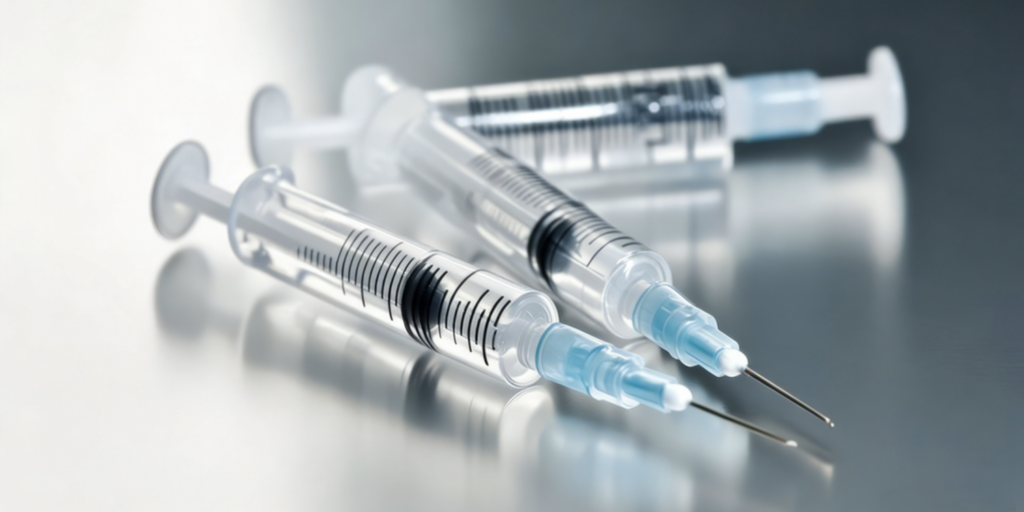
Our rubber and LSR injection molding capabilities support medical device components such as syringes, IV connectors, pump covers, and auto-injector bodies, meeting strict quality, safety, and regulatory standards.
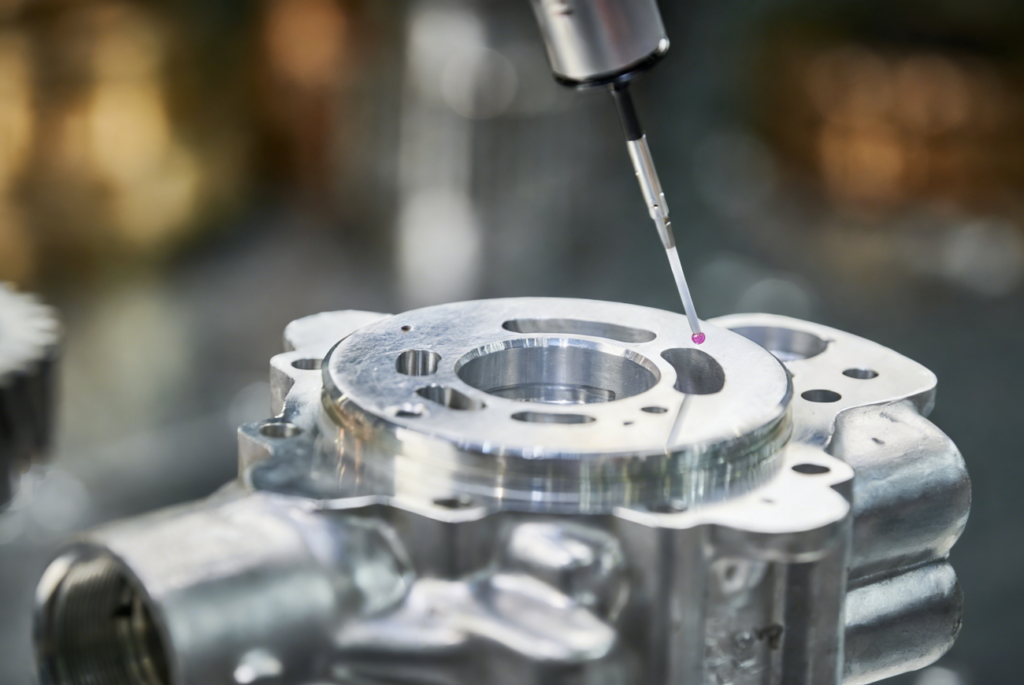
With over 30 quality control instruments and a highly experienced team, we implement a rigorous quality management system. Full-dimension CMM inspections ensure that every rubber injection molded part, from prototype to mass production, consistently meets international standards and your precise specifications.
Rubber injection molding is a manufacturing process where heated rubber or silicone materials are injected into a mold cavity and cured to form precise, flexible parts. It is widely used for seals, gaskets, vibration dampers, and soft-touch components.
Rubber injection molding offers high precision, excellent repeatability, and consistent material properties. It enables fast production of complex parts, supports diverse rubber materials, and delivers reliable performance for automotive, medical, and consumer applications.
Rubber injection molding typically uses solid or pre-formed rubber, cured under heat and pressure, suitable for general-purpose seals and gaskets. LSR injection molding uses liquid silicone, offering higher precision, fast curing, and suitability for medical, food-grade, or high-performance applications.
Key DFM considerations include proper draft angles, uniform wall thickness, gate location, and material flow. Optimizing these factors ensures part quality, reduces defects, simplifies mold design, and improves manufacturability.