

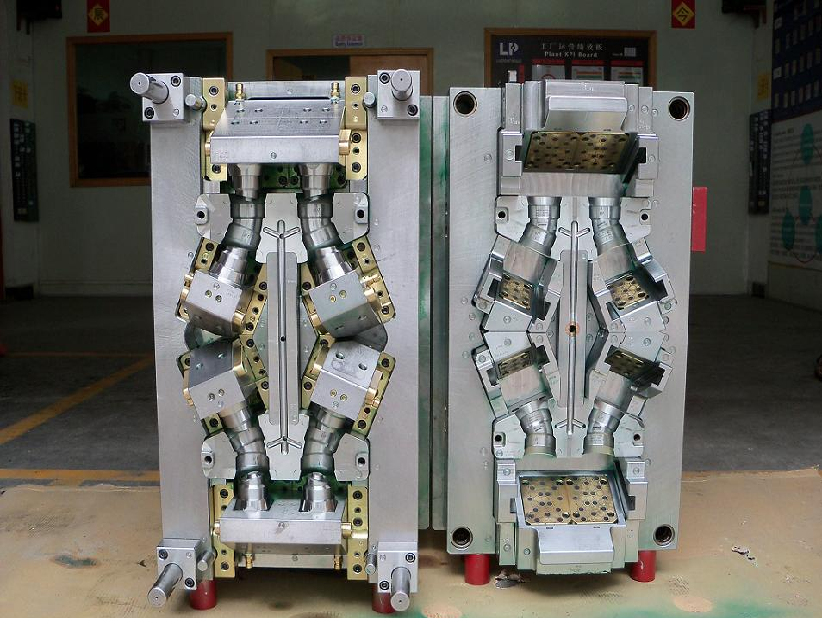
Rapid tooling, frequently referred to as soft tooling or prototype tooling, is a streamlined version of injection molding designed to deliver functional components with significantly lower costs and faster turnaround times. By simplifying the mold-making process, this technique allows developers to obtain physical parts without the massive investment typically required for full-scale production.
While the concept refers to any quickly manufactured injection mold, the realization involves a variety of engineering techniques aimed at one goal: enabling rigorous testing and design validation before committing to permanent, high-volume hardware.
The Core Advantages of Rapid Tooling
While options like 3D printing or CNC machining are often faster for one-off models, the primary benefit of rapid tooling lies in the authenticity of the manufacturing process and the materials used.
Real-World Material Testing
Unlike many prototyping methods that use specialized resins, rapid tooling allows engineers to utilize actual production-grade materials. This provides a precise understanding of how a component will perform in its intended environment. It allows for the verification of material choices, ensuring they meet the necessary mechanical and thermal requirements.
Identifying Manufacturing Flaws
Because the parts are injection molded, they are subject to the same physical forces as final production units. This makes them ideal for:
- Stress and Impact Analysis: Testing the structural integrity of the part under load.
- Surface Inspection: Identifying potential weak points caused by weld lines.
- Predicting Imperfections: Catching issues like warping or material shrinkage early in the development cycle.
By uncovering these flaws during the prototype stage, designers can implement necessary revisions before investing in expensive, hardened steel production molds.
Speed and Market Strategy
Beyond technical validation, rapid tooling is a strategic choice for businesses looking to gain a competitive edge. The accelerated production speeds allow for faster market entry, while the lower cost per part makes it an excellent choice for low-volume production runs or pilot launches for market testing.
How Rapid Tooling is Achieved
To minimize both time and expenditure, several specialized techniques are employed during the tool’s construction:
- Modular Mold Bases: Utilizing standardized frames while only machining the specific cavity inserts.
- Softer Metals: Using aluminum or soft steel alloys that can be machined much faster than hardened tool steel.
- Process Optimization: Eliminating time-consuming steps like Electrical Discharge Machining (EDM) where possible.
- Manual Integration: Utilizing manual inserts to simplify the mold’s mechanical complexity.
- Hybrid Methods: Increasingly, 3D printing in metal or high-performance plastics is being used to replace traditional components within the tool assembly.
Selecting a Manufacturing Partner
When seeking a manufacturer for your rapid tooling needs, clarity of requirements is essential. While the speed and cost benefits are significant, they can slightly influence the final part characteristics compared to traditional high-volume methods. Transparent communication regarding your expectations ensures that the final output aligns perfectly with your testing or production goals.
For organizations looking to accelerate their product development with high-quality, cost-effective manufacturing, specialized services can provide the necessary bridge to full-scale production. To learn more about optimizing your workflow, visit Livepoint Tooling.



 English
 Chinese
 German
 Italian
 Spanish
 French
 Russian
 Arabic
 Japanese
 Korean