0f1d5fdbaff602af864110e60a10bd7

Multi-Cavity Mold Making in China

Livepoint specializes in precision tooling for complex plastic components, delivering end-to-end mold manufacturing solutions from design to production.

Start a Multi-Cavity Mold Quote
rapid tooling

Supports: STEP | STP | STL | IGS | IGES | PRT | SLDPRT | SAT | X_T

Why Choose Livepoint

Livepoint stands as a reliable multi-cavity mold manufacturer to deliver precision-engineered tooling solutions for high-volume production with optimized cost control and strict quality standards.

With over 10,000 completed tooling projects for 200+ global customers, we bring deep expertise in designing and manufacturing high-precision multi-cavity molds across demanding industries.

Through supply chain streamlining and efficient mold design strategies, we help customers reduce total project costs by 25–35% without compromising quality or production stability.

All molds are built in accordance with DME and HASCO standards, supported by real-time traceability systems covering raw materials, machining, assembly, and final inspection.

100K+

Parts/ Month

1000+

Molds/Year

30+

Injection Machines

Material Options for Multi-Cavity Mold

Tool Steel

Tool steel is widely used in multi-cavity molds for its high hardness, wear resistance, and long service life. It supports high-volume production with consistent dimensional accuracy, making it ideal for demanding applications requiring millions of molding cycles.

Stainless Steel

Stainless steel provides excellent corrosion resistance and durability, making it suitable for molds used in medical, food-grade, or high-humidity environments. It ensures stable performance and surface integrity in precision multi-cavity production.

Our Application for Multi-Cavity Molds

Automotive Components

Multi-cavity molds are widely used in automotive manufacturing to produce small, high-precision plastic components at scale. Clips, retainers, housings, and functional interior parts benefit from tight tolerances and consistent repeatability across high-volume production runs.

Medical Devices

multi-cavity tooling supports large-scale production of precision components such as syringe barrels, diagnostic parts, and laboratory consumables. It ensures dimensional consistency, regulatory compliance, and stable output in controlled manufacturing environments.

Consumer Goods

For consumer products, multi-cavity molds enable efficient mass production of items like bottle caps, packaging components, and household parts. This approach improves cost efficiency while maintaining uniform quality across millions of identical plastic pieces.

Request a comprehensive quote here!

1th Floor, Building C, Hengshunyuan Industrial Park,No. 6, Louyi Road, Loucun Community, Xinhua Street, Guangming District, Shenzhen City, Guangdong Province, China

Multi-Cavity Mold FAQs

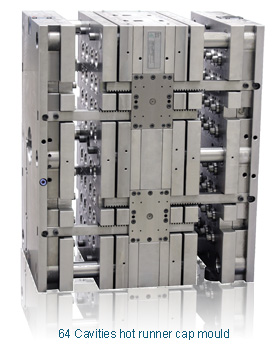
A multi-cavity mold is an injection mold designed with two or more identical cavities that produce the same plastic part in a single molding cycle. It is commonly used for high-volume production to increase output and reduce cost per part.

Multi-cavity molds are ideal when production volumes are high and part demand is stable. They significantly improve productivity and lower unit costs, making them suitable for automotive, medical, and consumer applications requiring consistent quality in large quantities.

However, for low-volume or prototype production, a single-cavity mold may be more cost-effective due to lower initial tooling investment.

A multi-cavity mold consists of multiple identical cavities arranged within a single mold base, connected through a balanced runner system. The structure typically includes cavity inserts, core inserts, runners, gates, cooling channels, and an ejection system.

Proper runner balance and uniform cooling design are critical to ensure consistent filling, dimensional stability, and equal part quality across all cavities.
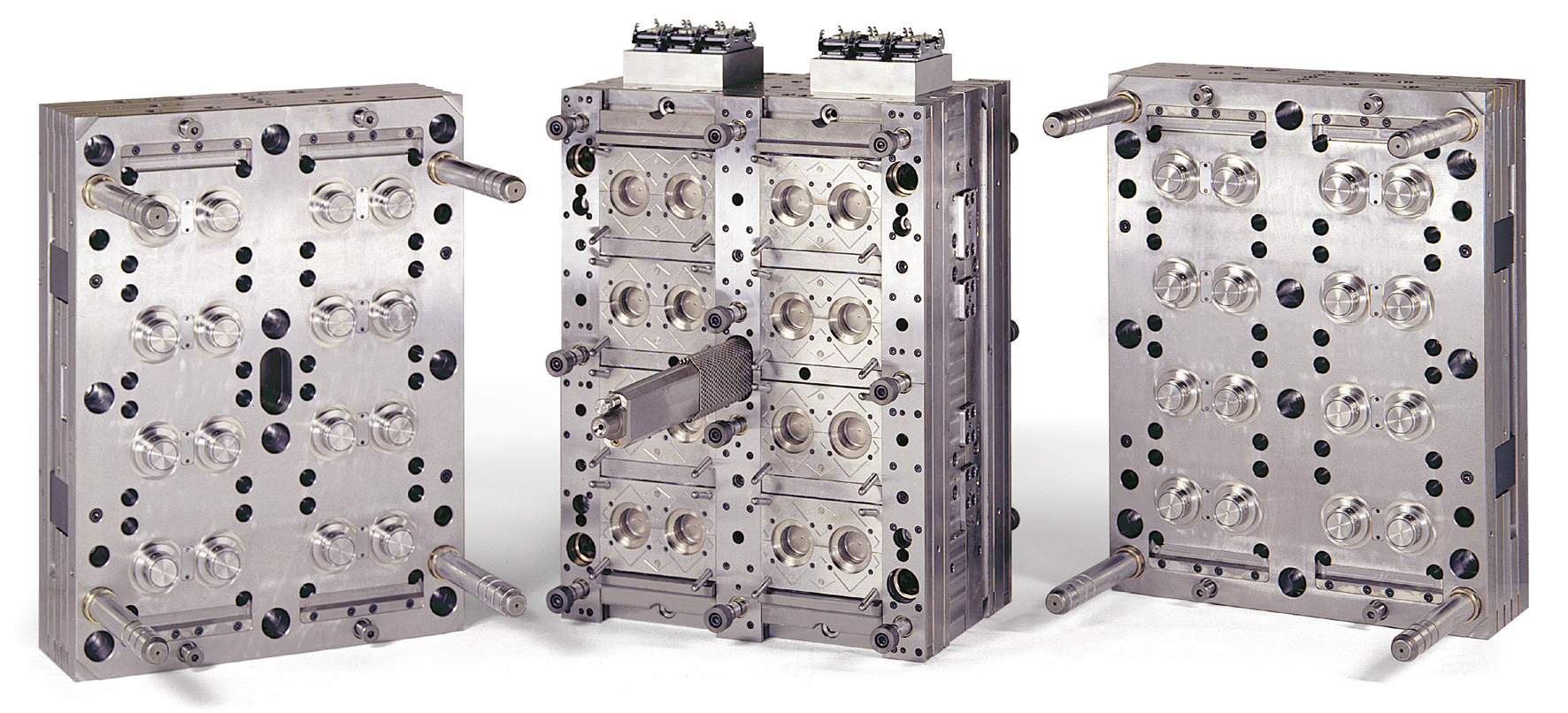

While multi-cavity molds improve efficiency, they require advanced engineering and precise flow analysis to ensure cavity balance. Design complexity, longer debugging time, and higher initial tooling costs should be evaluated against projected production volumes.

Material flow behavior, cooling performance, and machine capacity must also be carefully assessed to achieve stable and uniform production results.