
Polycarbonate Injection Molding Services
Produce durable, high-precision PC plastic parts for prototypes and full-scale production. Enjoy fast delivery, expert design support, competitive pricing, and a wide selection of materials and finishes.
About PC Injection Molding
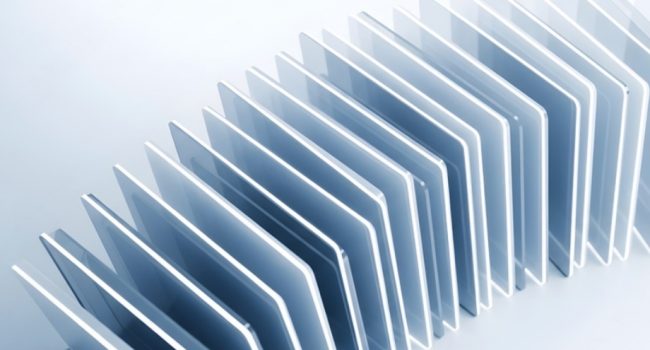
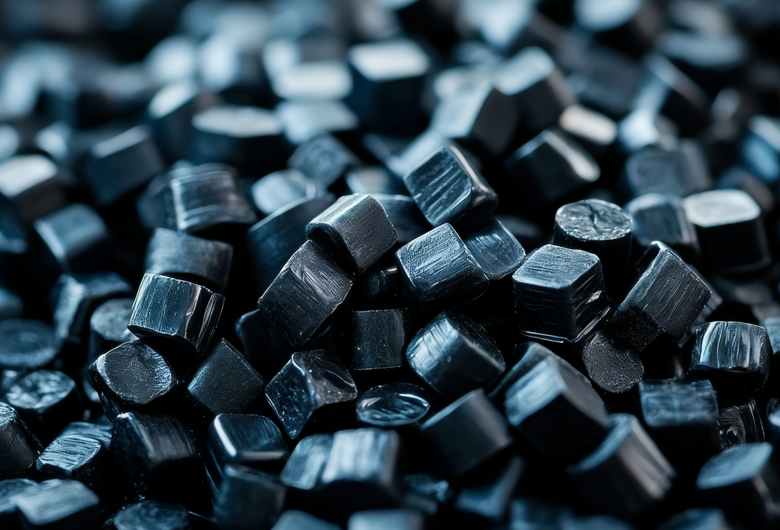
Polycarbonate (PC) is a high-performance engineering thermoplastic known for exceptional impact strength, heat resistance, and optical clarity. In injection molding, PC pellets are heated and injected into precision molds under high pressure, forming durable, dimensionally stable parts. Its excellent toughness and transparency make it ideal for both prototyping and mass production of functional components, including protective housings, lenses, and mechanical parts.
PC also supports complex geometries, tight tolerances, and a variety of surface finishes for versatile industrial and consumer applications.
Finishing Options for PC Injection Molding
PC injection-molded parts can support a wide variety of surface finishes, enhancing both functional and aesthetic performance. Its high impact strength, heat resistance, and optical clarity make it suitable for durable and visually appealing components.
As-molded PC parts retain the natural surface produced during injection molding, providing cost-effective and functional finishes. This is ideal for prototypes and production parts where performance is prioritized over decorative appearance.
SPI surface finishes can be applied to PC molds to achieve controlled textures, ranging from smooth polished surfaces to fine matte textures. This allows consistent aesthetic quality and functional surface control.
Polishing enhances the surface smoothness and clarity of PC components, especially for transparent or decorative parts. Careful processing prevents internal stress and maintains structural integrity while achieving a high-gloss finish.
Silk screening on PC surfaces is effective for applying logos, labels, or functional markings. The high surface energy of PC ensures excellent ink adhesion and durability for industrial and consumer applications.
Pad printing provides precise, high-resolution markings on PC parts, such as buttons, panels, or control interfaces. The material’s compatibility with inks ensures consistent, long-lasting results across production runs.
Glossy finishes are achievable on PC components, delivering visually appealing high-gloss surfaces suitable for transparent housings, lenses, and decorative elements while maintaining durability and impact resistance.
Matte finishes reduce surface reflectivity and improve scratch resistance. PC parts with matte textures are often used for industrial and functional applications requiring consistent appearance and reduced glare.
PC can be painted to achieve custom colors or decorative effects. Surface preparation or primer is recommended to enhance paint adhesion, ensuring long-lasting and vibrant finishes for both functional and aesthetic purposes.
Laser engraving produces permanent markings, such as logos, serial numbers, or traceability codes, on PC parts without affecting mechanical performance or optical clarity, making it ideal for industrial and medical applications.
Pros & Cons of PC Injection Molding
Polycarbonate injection molding provides a combination of mechanical strength, optical performance, and versatility, making it suitable for both functional and decorative plastic components. Below is an overview of its key advantages and limitations.
Pros
- High Impact Strength: PC parts withstand significant mechanical stress and impact, making them suitable for protective housings, safety equipment, and rugged applications.
- Optical Clarity: PC is naturally transparent and can achieve excellent visual clarity, making it ideal for lenses, light covers, and display components.
- Dimensional and Thermal Stability: Maintains precise dimensions under heat and stress, supporting accurate and repeatable molding of complex geometries.
- Design Flexibility: Flows well in injection molds for intricate shapes, thin walls, and detailed features, allowing both functional and aesthetic part designs.
- Durability and Longevity: PC parts resist cracking and fatigue under repeated use, providing reliable long-term performance in demanding environments.
Cons
- Surface Susceptibility: PC is prone to scratches and scuffing during handling and use, which may require protective coatings or careful post-processing.
- UV Sensitivity: Standard PC can yellow or degrade under prolonged UV exposure; UV stabilizers or additives may be needed for outdoor applications.
- Processing Complexity: High melt viscosity requires precise mold design, temperature control, and processing parameters to prevent warpage, sink marks, or residual stress.
- Cost Considerations: PC is generally more expensive than commodity plastics, particularly for high-clarity or reinforced grades.
Applications of PC Injection Molding
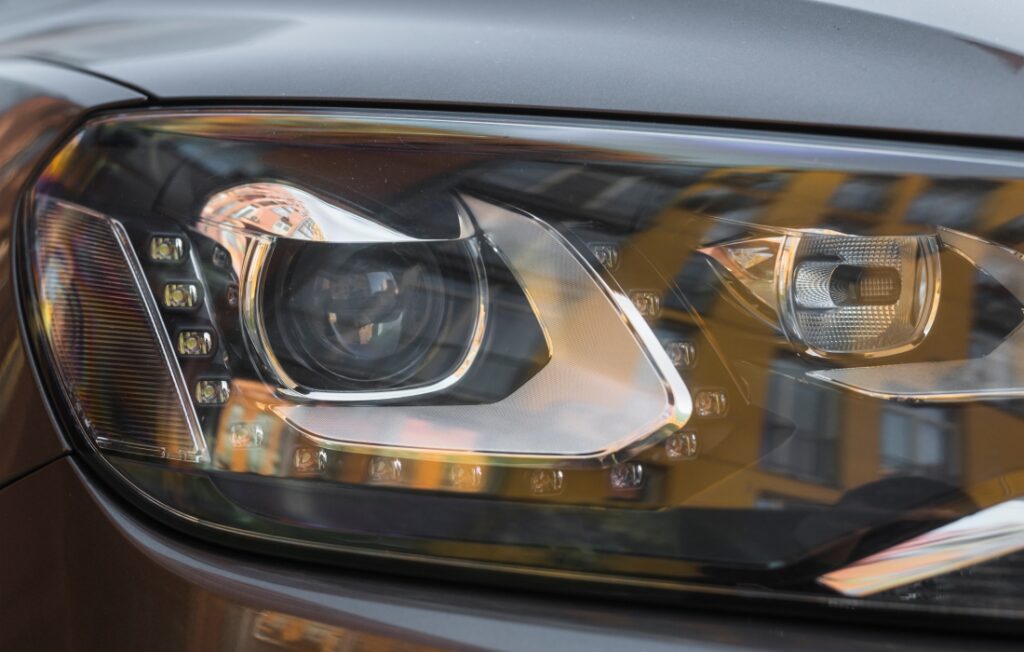
Durable transparent and structural parts, such as light covers, lenses, and interior housings.
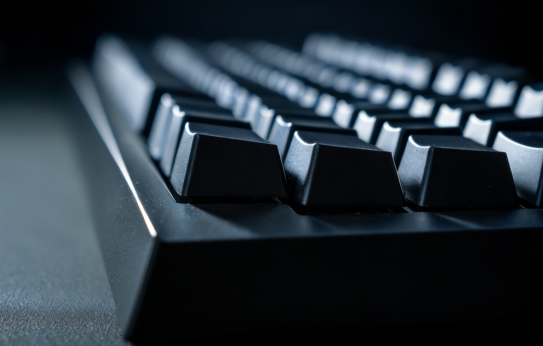
Enclosures, display covers, and mechanical buttons requiring high impact strength and clarity.
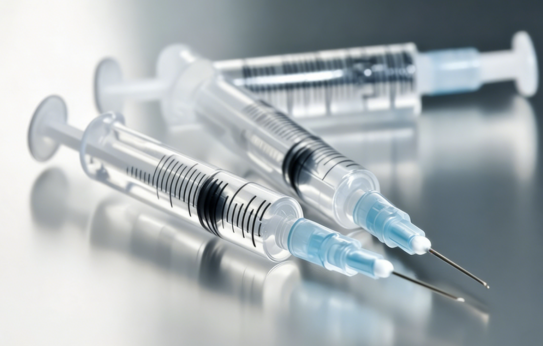
Reusable housings, protective covers, and diagnostic instrument components benefiting from toughness and sterilization compatibility.
Protective shields, gear housings, and structural parts exposed to heat and mechanical stress.
1th Floor, Building C, Hengshunyuan Industrial Park,No. 6, Louyi Road, Loucun Community, Xinhua Street, Guangming District, Shenzhen City, Guangdong Province, China